China Extends Tobacco Monopoly to Smokeless Nicotine, Closing Gray-Market Loopholes
BEIJING — China is tightening its grip on the nicotine market. In a major regulatory sweep, Beijing has officially brought all smokeless nicotine products under its strict state tobacco monopoly, shutting down a fast-growing gray market for nicotine pouches, lozenges, and oral tobacco.
The new directive, issued by the State Tobacco Monopoly Administration (STMA) as Announcement No. 1 of 2026, marks the latest step in China’s multi-year effort to bring all alternative nicotine products under central control.
The New Rules: What’s Changing?
Under the updated regulation, any non-combustible product containing nicotine—whether consumed orally, nasally, or topically—is now legally classified as a cigarette or cut tobacco.
The crackdown specifically targets:
Modern oral nicotine: Nicotine pouches, tablets, strips, and gums.
Traditional smokeless items: Chewing tobacco, snuff, and oral pastes.
Unlicensed manufacturing, distribution, and retail of these items are now strictly illegal. Regulators also placed smokeless tobacco into a restricted industry category, preventing companies from expanding production capacity without explicit state approval.
Building on the Vaping Crackdown
This move follows the blueprint Beijing used to rein in the e-cigarette industry over the past five years:
2021: China amended its tobacco monopoly laws to bring e-cigarettes under STMA jurisdiction.
2022: Authorities banned all non-tobacco flavored vapes, set mandatory national product standards, launched a centralized trading platform to track sales, and imposed steep consumption taxes.
By treating vapes like traditional cigarettes, officials eliminated thousands of unregulated brands and brought the entire supply chain under state oversight.
Closing the "Flavor and Pouch" Loophole
Regulators stepped in after noticing alternative nicotine products attempting to sidestep vaping bans. As fruit-flavored vapes vanished from store shelves, products like nicotine pouches—often marketed on social media as "smoke-free" or "healthier" alternatives—gained traction among younger consumers.
Officials warned that these products pose addiction risks and rely on deceptive health claims. By defining products by their active ingredient (nicotine) rather than their form, Beijing effectively blocked manufacturers from creating new gray-market alternatives.
What It Means for the Industry
The rule creates immediate hurdles for manufacturers, sellers, and exporters:
Domestic Sweep: Unlicensed sellers on social media and e-commerce platforms face immediate bans and penalties.
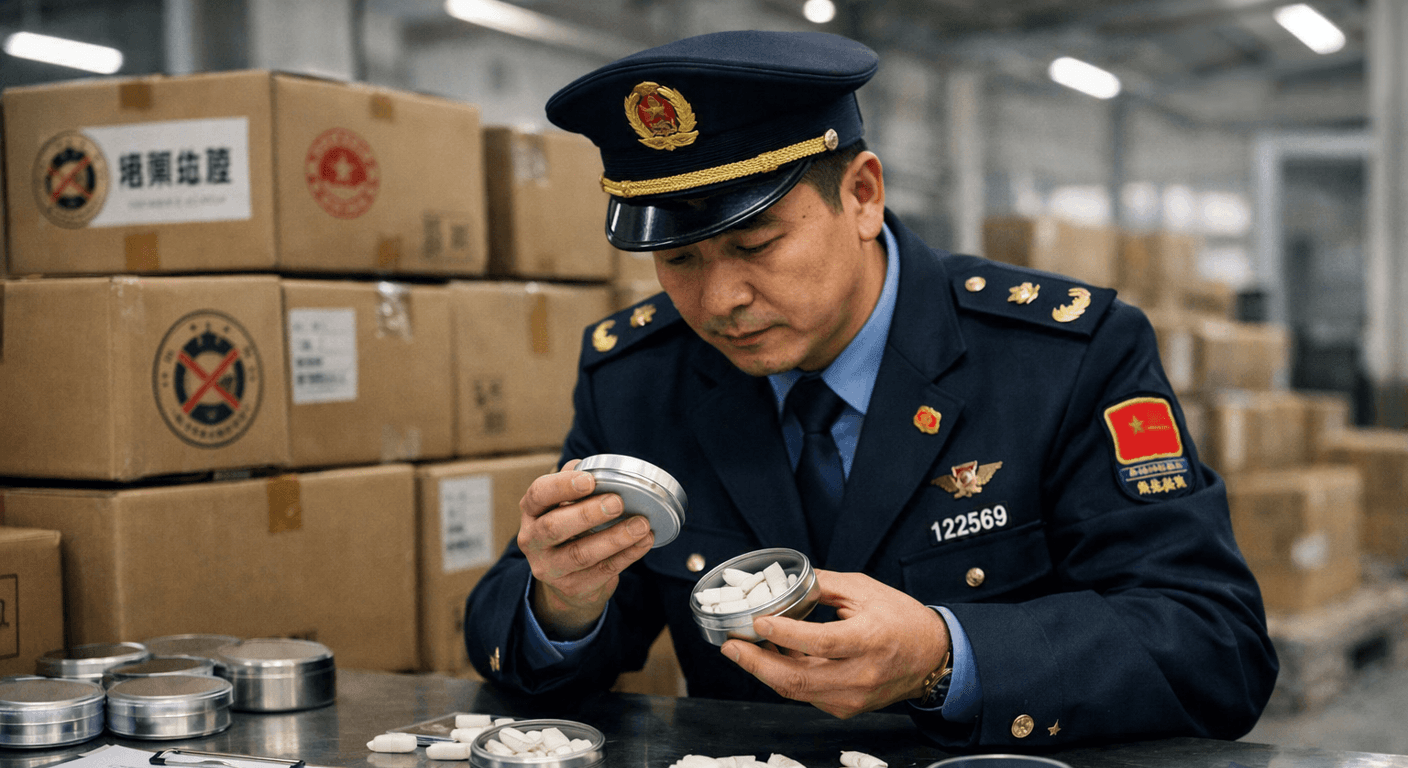
Coordinated Enforcement: Customs officials, police, and market regulators are aligning to stop illicit manufacturing and cross-border smuggling.
Global Supply Impact: As a major manufacturing hub for alternative nicotine, Chinese factories producing pouches for export must now obtain official state licenses and meet strict compliance standards.
With this policy, China has created one of the world's most tightly controlled regulatory environments for nicotine—ensuring that whether a product is smoked, vaped, or chewed, it remains strictly under state control.