Germany’s February 2026 Menthol Vape Ban Proposal Raises Industry Concerns
Germany is moving closer to imposing strict new limits on flavored vaping products after the Federal Ministry of Food and Agriculture (BMEL) advanced a draft regulation targeting menthol and other additives widely used in cooling and “ice” vape liquids.
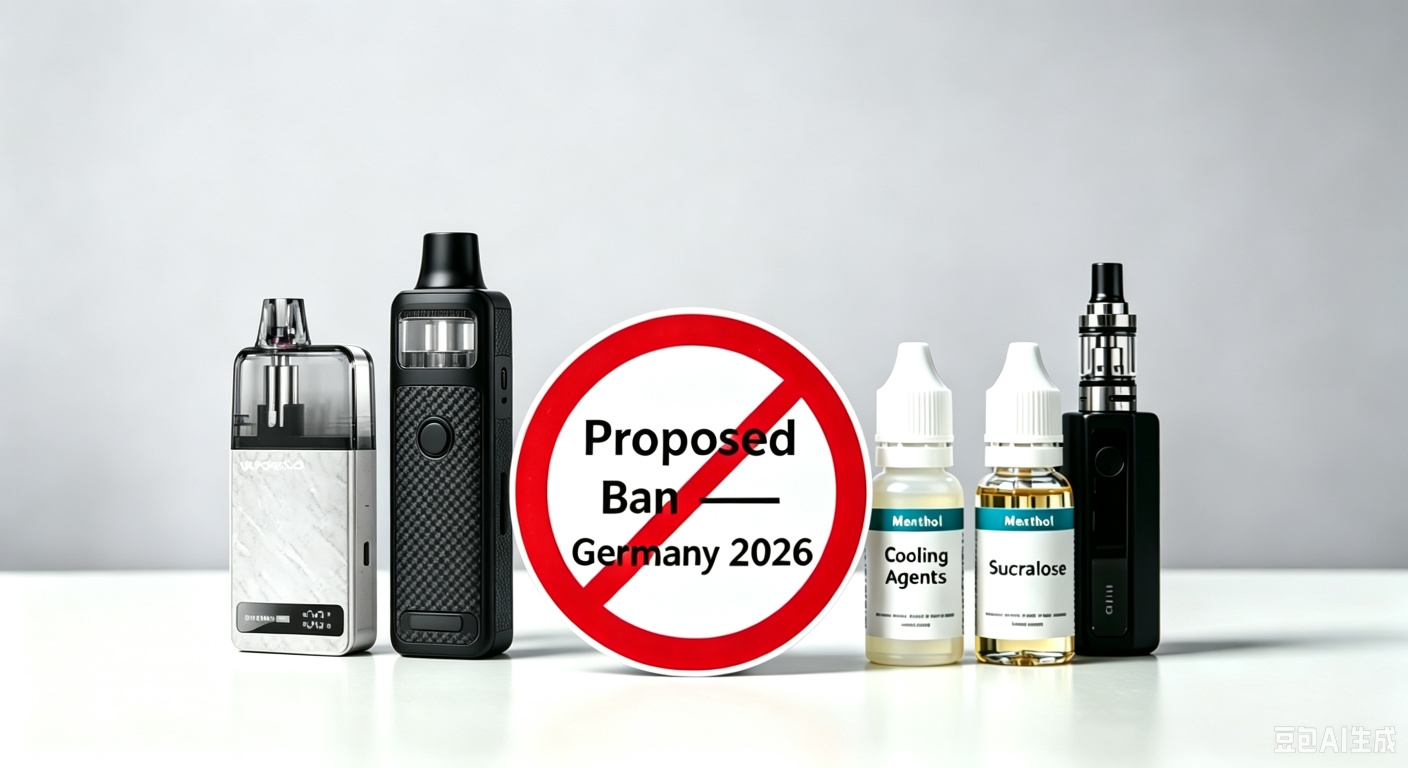
The proposal, released on February 2, 2026, is part of the Fifth Amendment to the Tobacco Products Ordinance (Tabakerzeugnisverordnung). It would prohibit manufacturers from using:
Menthol, the defining compound in mint‑flavored vapes
Cooling agents, chemicals that create a cold sensation in the throat
Sucralose, a sweetener common in fruit and dessert‑style vape liquids
Regulators argue these additives make inhalation smoother and more appealing to young users. Germany’s Federal Institute for Risk Assessment (BfR) has warned that cooling agents can mask harshness and encourage deeper inhalation, potentially increasing nicotine exposure among adolescents.
The draft cleared a major procedural hurdle on February 10, 2026, when it passed an internal government vote. This approval allows BMEL to begin formal consultations with state authorities, medical organizations, and industry groups. The ministry is also preparing to submit the proposal to the EU’s TRIS notification system, a required step for national regulations that may affect cross‑border trade.
As of February 11, 2026, the proposal is widely viewed as politically viable. Germany’s governing coalition has emphasized youth protection in recent public‑health initiatives, and several federal states have signaled early support for tighter nicotine regulations.
Still, industry groups warn the ban could have unintended consequences. Retailers and manufacturers argue that removing menthol and cooling agents would effectively eliminate most flavored products sold in Germany, driving consumers toward unregulated imports or traditional cigarettes. Some state‑level economic ministries have raised concerns about the impact on small businesses and the potential expansion of the black market.
Public‑health advocates counter that decisive action is needed to address rising youth nicotine use and the growing popularity of cooling‑agent vape liquids. Analysts say the proposal has a realistic chance of becoming law, though amendments are possible as it moves through federal and EU review.
If ultimately approved, the regulation would be published with a six‑month transition period, placing its earliest possible enforcement date in early 2027.