Geopolitics is Threatening Vapers—And Brussels and Bureaucrats Are Missing the Point
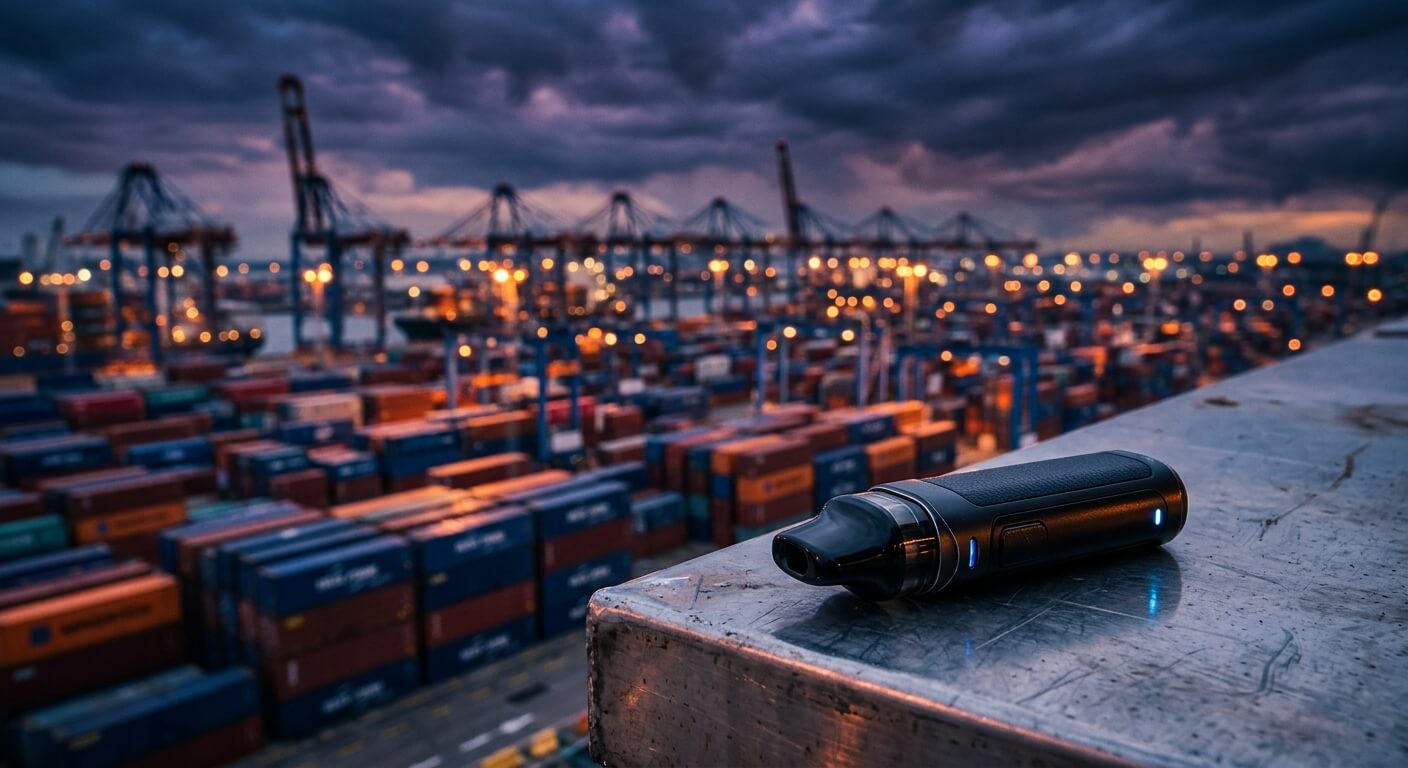
The Fragile Lifeline of Global Supply Chains
For millions of former smokers, vaping is literally a lifesaver. But the supply chain keeping us off combustibles is shockingly fragile. Virtually the entire hardware ecosystem—from coils and batteries to pods—relies on specialized manufacturing hubs in East Asia. When regional tensions rise, shipping routes like the Strait of Hormuz get choked, or export tariffs kick in, it’s vapers who end up paying the bill at the counter.
To make matters worse, China’s tobacco regulators are capping new factory investments and squeezing production to manage domestic competition. When the world's primary vape factory hits the brakes, global supply shrinks and prices surge.
Stress, Squeezed Wallets, and the Rise of the Black Market
Geopolitical crises don't make people magically stop using nicotine. If anything, times of high stress—like global instability or economic downturns—drive up demand for a hit. Yet, instead of protecting access to harm-reduction tools, governments default to emergency mode, ignoring public health priorities and slapping cash-grab taxes on smoke-free products.
Here is the hard reality politicians refuse to grasp: vapers are extremely price-sensitive. If supply disruptions and flat-rate excise taxes make vapes as expensive as cigarettes, or if products disappear from shelves, people won't quit. They will either:
Buy cheap, unregulated products on the illicit market, or
Revert to combustible cigarettes.
Harm Reduction Requires Resilient Supply, Not Ideology
If policymakers genuinely care about reducing smoking-related death and disease, they must stop treating safer nicotine products as collateral damage in trade wars or cash cows for budget deficits. Diversifying supply chains takes years. In the interim, we need smart, risk-proportionate taxation and customs policies that keep regulated alternatives cheap, accessible, and vastly preferable to traditional tobacco.
Treating harm reduction as a luxury during times of crisis is a fatal mistake. Every supply bottleneck and every misguided tax hike is just a win for Big Tobacco and the black market.