FDA Authorizes Age‑Gated Glas G2 Vape Device, Marking a New Direction for Regulated ENDS Technology
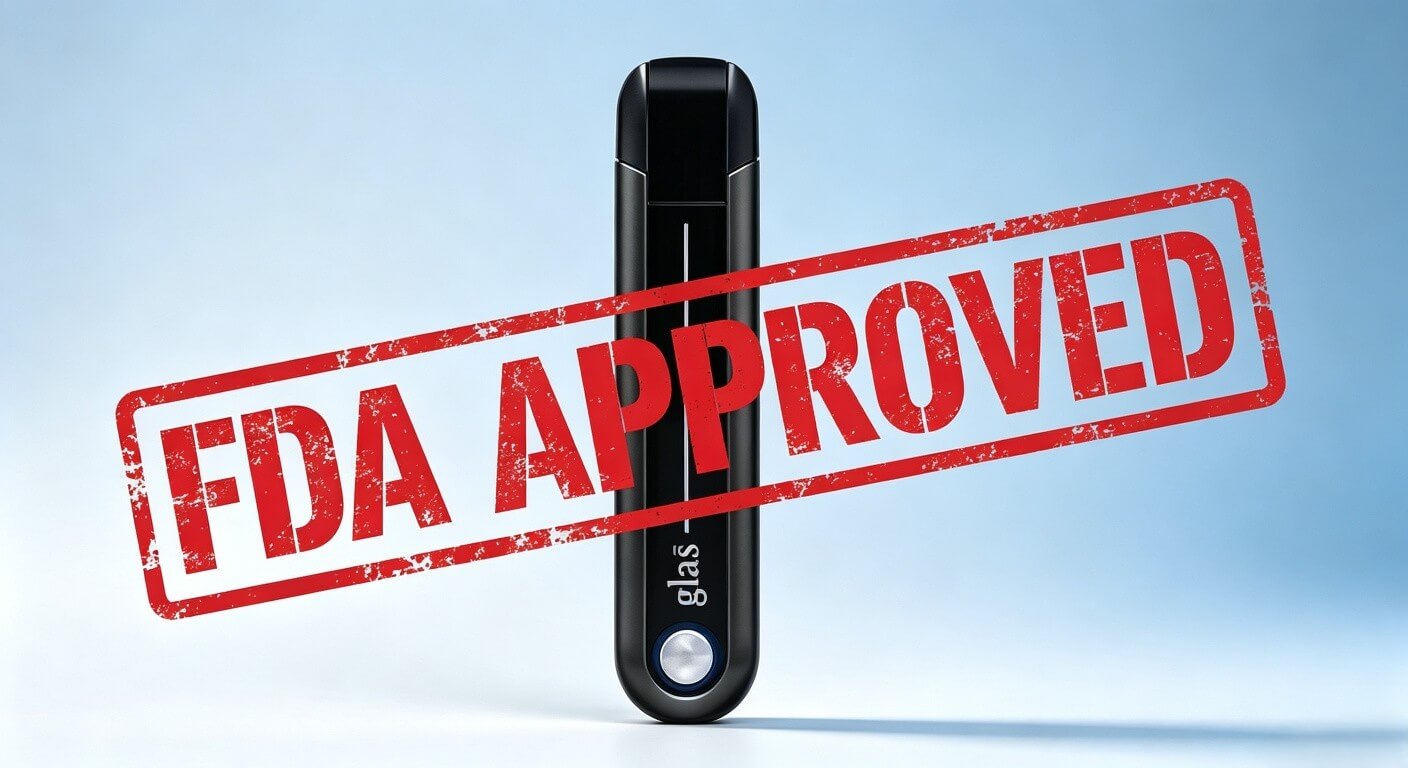
The U.S. Food and Drug Administration has authorized the commercial sale of the Glas G2, a pod‑based electronic nicotine delivery system that incorporates mandatory digital age‑verification technology. The authorization, issued on December 20, 2025, adds Glas Inc. to the short list of companies with FDA‑cleared e‑liquid‑based vape devices—and makes it the only independent manufacturer currently holding an active MGO.
A First-of-Its-Kind Authorization
The Glas G2 is the first FDA‑authorized ENDS device requiring users to complete an age‑verification process before activation. According to the FDA’s decision summary, the agency accepted evidence showing that:
The device’s smartphone‑paired age‑gating system reduces the likelihood of youth access.
The Blonde Tobacco pod’s aerosol chemistry falls within acceptable toxicological thresholds.
Behavioral‑use studies demonstrate that adult smokers can achieve meaningful nicotine substitution with the product.
The FDA concluded that the combination of access controls, toxicological data, and behavioral evidence met the “appropriate for the protection of public health” (APPH) standard required under the Tobacco Control Act.
A Quiet Approval With Regulatory Implications
Unlike previous authorizations for products owned by major tobacco companies, the Glas G2 approval arrived without a press release, appearing only as an update in the FDA’s internal authorization records. The understated rollout underscores the agency’s cautious approach to ENDS regulation, especially as it evaluates next‑generation devices that incorporate digital safeguards.
Glas Inc., founded in Los Angeles and unaffiliated with any tobacco conglomerate, submitted its PMTA in July 2021. The company provided extensive technical documentation, including toxicology, engineering specifications, and clinical data supporting adult switching behavior.
Why the FDA Approved It
While the FDA did not issue a public statement, the authorization documents indicate several key factors:
Age‑gating technology: The G2 requires users to pair the device with a smartphone, verify identity with a government ID, and remain within proximity of the paired device.
Controlled nicotine delivery: The Blonde Tobacco pod delivers consistent aerosol output within FDA‑acceptable parameters.
Adult‑use evidence: Glas submitted randomized and longitudinal data showing adult smokers could reduce or replace combustible cigarette use with the G2.
Youth‑risk mitigation: The agency determined that the device’s access controls meaningfully reduce youth initiation risk compared with conventional ENDS.
What This Means for Future ENDS Development
The Glas authorization may signal a new phase in FDA expectations for ENDS manufacturers. While the agency has repeatedly stated that age‑gating alone will not justify flavored‑product authorization, the G2 demonstrates that:
Integrated access‑control systems are becoming a regulatory expectation, not an optional feature.
Independent manufacturers can succeed if they provide robust toxicology and behavioral evidence.
Next‑generation ENDS devices may need to combine hardware innovation with clinical data to meet APPH standards.
However, the approval also highlights a tension in the market. If non‑tobacco flavors remain off‑limits, devices requiring complex activation steps may struggle to compete with simpler tobacco‑ and menthol‑only products already authorized. The G2’s approval may encourage innovation, but it also raises questions about consumer adoption and commercial viability.
Looking Ahead
The FDA’s decision positions Glas Inc. as a rare independent player in a regulatory landscape dominated by tobacco‑industry brands. Whether age‑gated devices become a mainstream regulatory pathway—or remain niche products—will depend on how the FDA evaluates pending PMTAs for menthol and flavored pods across the industry.
For now, the Glas G2 stands as a milestone: a signal that the future of regulated vaping may hinge not only on chemistry and clinical data, but also on the sophistication of access‑control technology.