Ireland Moves Closer to Sweeping Vape Restrictions as Flavour Ban Heads to Senate
UBLIN — Ireland is on the cusp of introducing some of the most far-reaching restrictions on vaping products in Europe after lawmakers approved legislation that would effectively remove most flavoured e-cigarettes from the market.
The Public Health (Tobacco Products and Nicotine Inhaling Products) (Amendment) Bill 2026 cleared its final stage in the Dáil on 24 June and has been sent to the Seanad for further scrutiny. The legislation is expected to be debated during the Senate's current session, with the Irish Government aiming to bring the measures into force before the end of the year, subject to EU regulatory procedures.
The proposed law forms part of Ireland's broader effort to create a "Tobacco Free Ireland" and tackle rising nicotine use among young people. While ministers argue the measures are necessary to protect children from nicotine addiction, critics warn that the restrictions could make it harder for adult smokers to switch away from combustible cigarettes.
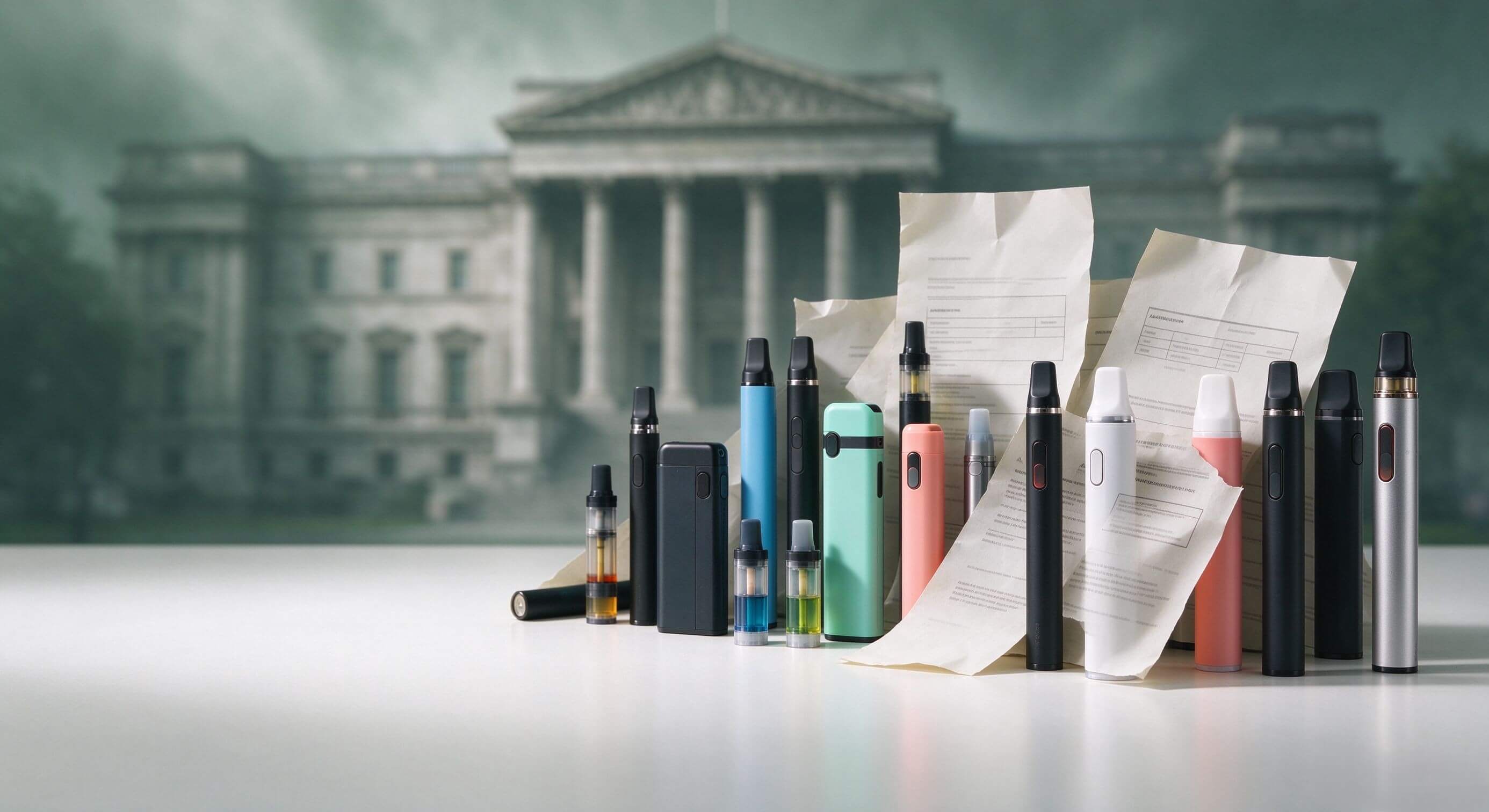
What Is in the Bill?
At the heart of the legislation is a major overhaul of how vaping products can be marketed, displayed and sold.
Under the proposals:
Vape flavours would be limited to tobacco-flavoured or unflavoured products.
Manufacturers would be prohibited from using flavour descriptors beyond basic flavour names.
Bright colours and imagery on devices and packaging would face restrictions.
Retail advertising of vaping products would be banned.
Point-of-sale displays in mixed retail outlets such as convenience stores and supermarkets would be prohibited.
Sales of nicotine pouches and similar nicotine products to under-18s would be outlawed.
Health officials say the package is designed to reduce the appeal, visibility and accessibility of nicotine products, particularly among teenagers.
Why Is the Government Taking Action?
The legislation comes amid growing concern over youth vaping across Ireland and other European countries.
Ministers argue that colourful packaging, sweet flavours and extensive product displays have helped normalise vaping among adolescents. The Government's position is that flavours such as fruit, confectionery and soft drink varieties are particularly attractive to younger users and contribute to experimentation by non-smokers.
Supporters of the bill compare the measures to previous tobacco control policies that transformed Ireland's public health landscape, including smoking bans, advertising restrictions and plain packaging requirements.
Public health advocates have welcomed the move, arguing that nicotine addiction is increasingly affecting younger age groups who may never otherwise have smoked.
The Case for Smokers
Despite the public health rationale, the legislation has sparked intense debate among tobacco harm-reduction advocates and vaping industry representatives.
Many researchers and smoking cessation campaigners acknowledge that vaping is not risk-free but argue that it is substantially less harmful than smoking traditional cigarettes because it does not involve combustion.
For adult smokers trying to quit, flavoured products are often viewed as a key part of the transition away from tobacco.
Supporters of vaping point to several potential benefits currently enjoyed by smokers who switch:
Access to flavours can help distance former smokers from the taste and experience of cigarettes.
Vaping may reduce exposure to many harmful substances produced by burning tobacco.
A wider range of products can increase the likelihood that smokers find a substitute they are willing to stick with.
Critics fear that reducing legal flavours to tobacco or unflavoured options could make vaping less attractive to current smokers while leaving conventional cigarettes widely available.
Some industry observers have also warned that consumers may turn to cross-border purchases, informal markets or online suppliers if preferred products disappear from legitimate retail channels.
The Public Health Counterargument
Health authorities reject suggestions that the bill is anti-smoking-cessation legislation.
Instead, officials contend that vaping products have become increasingly visible in everyday retail environments and that stricter regulation is necessary to prevent a new generation from developing nicotine dependence.
The Government's approach is based on the belief that the social and public health costs of youth nicotine uptake outweigh the commercial impact on the vaping sector.
Ministers have also argued that adult smokers will continue to have access to vaping products, albeit with tighter restrictions on flavour profiles and marketing.
What Happens Next?
The bill must still pass through the Seanad and complete relevant European regulatory notification procedures before becoming law. Lawmakers and industry participants alike are watching closely, as Ireland's approach could influence similar debates elsewhere in Europe.
If enacted in its current form, Ireland would join a growing number of jurisdictions seeking to curb flavoured nicotine products while balancing the competing objectives of youth protection and tobacco harm reduction.
For now, the central question remains unresolved: will restricting flavours discourage young people from taking up vaping, or will it remove one of the most effective tools helping adult smokers leave cigarettes behind?
Only time, and the data that follow, are likely to provide a definitive answer.